


Advanced
Cellular Science.
Real Human Possibilities.

BrainXell Therapeutics is developing autologous, iPSC-derived cell therapies that enable patients to reclaim their lives by replacing what’s been lost to neurodegenerative diseases.

Advanced Cellular Science. Real Human Possibilities.

BrainXell Therapeutics is developing autologous, iPSC-derived cell therapies that enable patients to reclaim their lives by replacing what’s been lost to neurodegenerative diseases.

Estimated number of people worldwide living with Parkinson's disease (PD) – expected to double by 2050
Over 10 million
Estimated number of people worldwide diagnosed with PD every year
1.2 million
When a patient with PD begins to exhibit motor challenges more than half of the dopamine in their brain has been depleted
Over 60%
Estimated number of deaths annually worldwide due to PD and expected to increase  as our population ages
350,000

OUR Mission

Driven by science.
Undaunted by challenges.

At BrainXell Therapeutics, we’re committed to making a meaningful difference in the lives of patients with neurogenerative diseases and neuro injury. Anchored in a deep heritage of world-class science, we are intentional about the choices we make to advance therapeutics that create new possibilities for patients.

Carving a new way forward for serious conditions like PD that have few options is inherently challenging. Our resolve to meet those challenges head-on through purposeful thinking and a focus on the long view have brought us this far – and will take us further.

About Us

BrainXell Therapeutics translates advanced cellular science into iPSC-derived therapies designed to regenerate the human central nervous system (CNS) after disease or injury. We’re putting the decade of iPSC experience gained at our legacy company, BrainXell, Inc., into our pipeline programs for devastating neurological diseases, including PD.

Our technology is rooted in the expertise and innovation of our Founder, Dr. Su-Chun Zhang, a global pioneer in stem cell neuroscience, who is also founder of BrainXell, Inc.

"When I founded BrainXell, Inc., I aspired to translate my work on iPSC-derived CNS cells into therapeutics for patients. The BrainXell Therapeutics team will move forward with the same intentional decision-making we employed to give it the best potential for long-term success in improving patients’ lives."

– Dr. Su-Chun Zhang

Meet the Board

Read Bio →
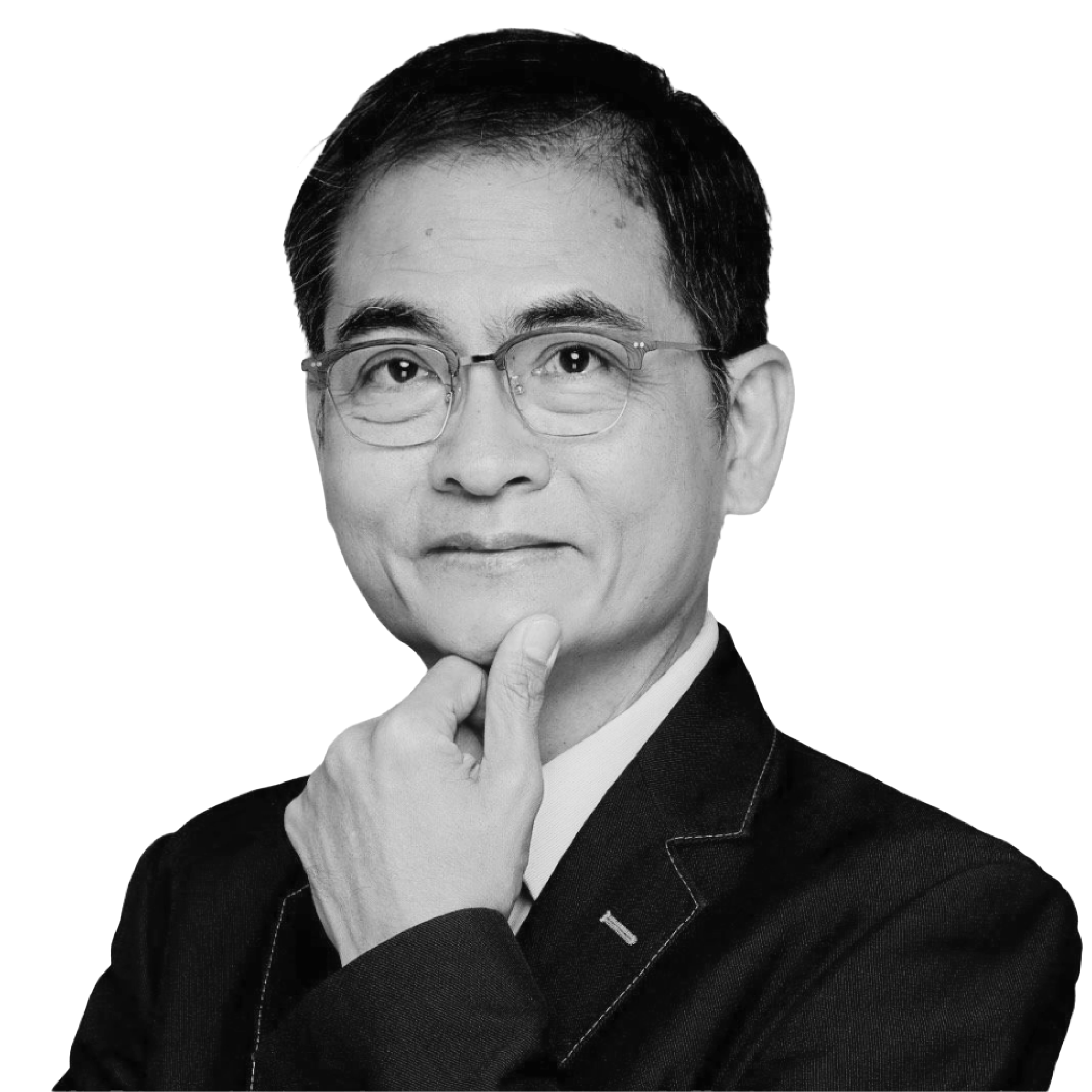
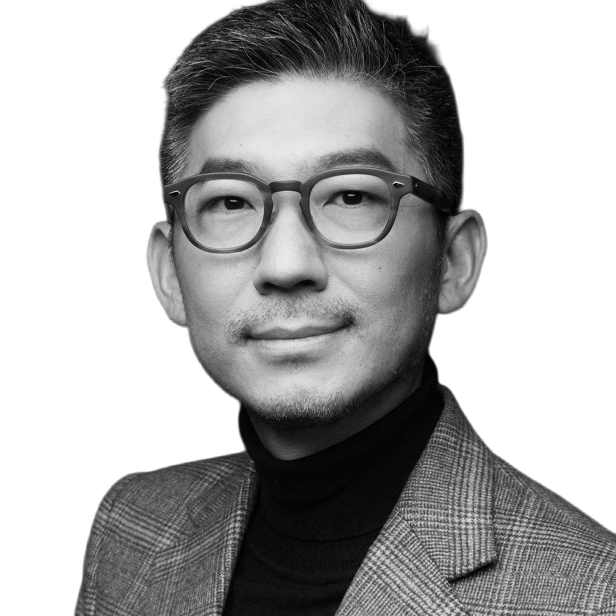
Hui-Cheng Cheng, MD, PhD
Chairman, BrainXell Therapeutics Global

Charles is a distinguished physician-scientist, serial entrepreneur, and angel investor with over 40 years of clinical and executive leadership experience. He currently serves as the Board Chair of BrainXell Therapeutics Global.

Throughout his career, Charles has bridged the gap between academic excellence and industrial innovation. His previous leadership roles include serving as the Chief of Radiology at VGH-Taipei and as an Associate Professor at National Yang-Ming University. Beyond clinical practice, he has been a key driver in healthcare philanthropy and venture development as the Medical Director of the YongLin Health Foundation.

An active contributor to the biotech and technology ecosystems, Charles holds board seats at Pilatus Biosciences and XRSPACE. He brings deep expertise in medical imaging, healthcare investment, and scaling early-stage ventures into global entities.

Read Bio →
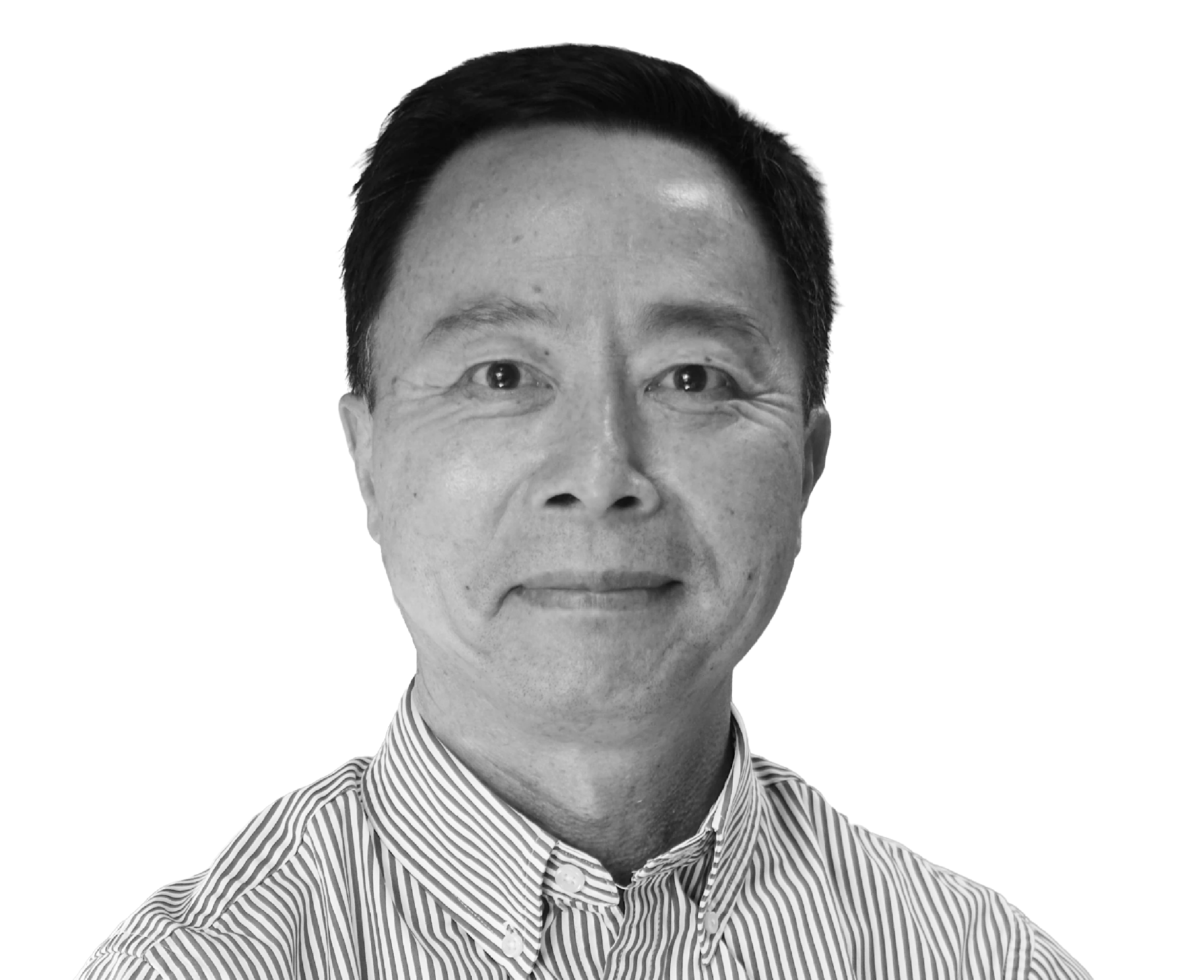
Su-Chun Zhang, MD, PhD
Founder, CSO Adviser, Board Member

Dr. Zhang is a pioneer in stem cells and regenerative medicine. He has developed technology to guide human stem cells to functionally specialized nerve cell types that are impaired in many neurological and psychiatric conditions with 25 awarded patents and several pending applications.

He established the Stem Cell & Genome Editing Core at the UW-Madison and Duke-NUS. He has also developed stem cell-based platforms for studying neural degeneration and testing drugs for neurological diseases. In parallel, he is developing cell therapy for neurological diseases like Parkinson’s disease, spinal cord injury and stroke.

He serves as a professor and director of the Center for Neurologic Diseases at Sanford Burnham Prebys. Prior to that, he was professor and director of the Signature Program in Neuroscience & Behavioral Disorders at Duke-NUS Medical School, Singapore as well as professor of Neuroscience and Neurology at the University of Wisconsin-Madison. Dr. Zhang was a founding member of the Wi Cell Institute and co-founder of BrainXell, Inc and BrainXell Therapeutics, Inc.

Read Bio →
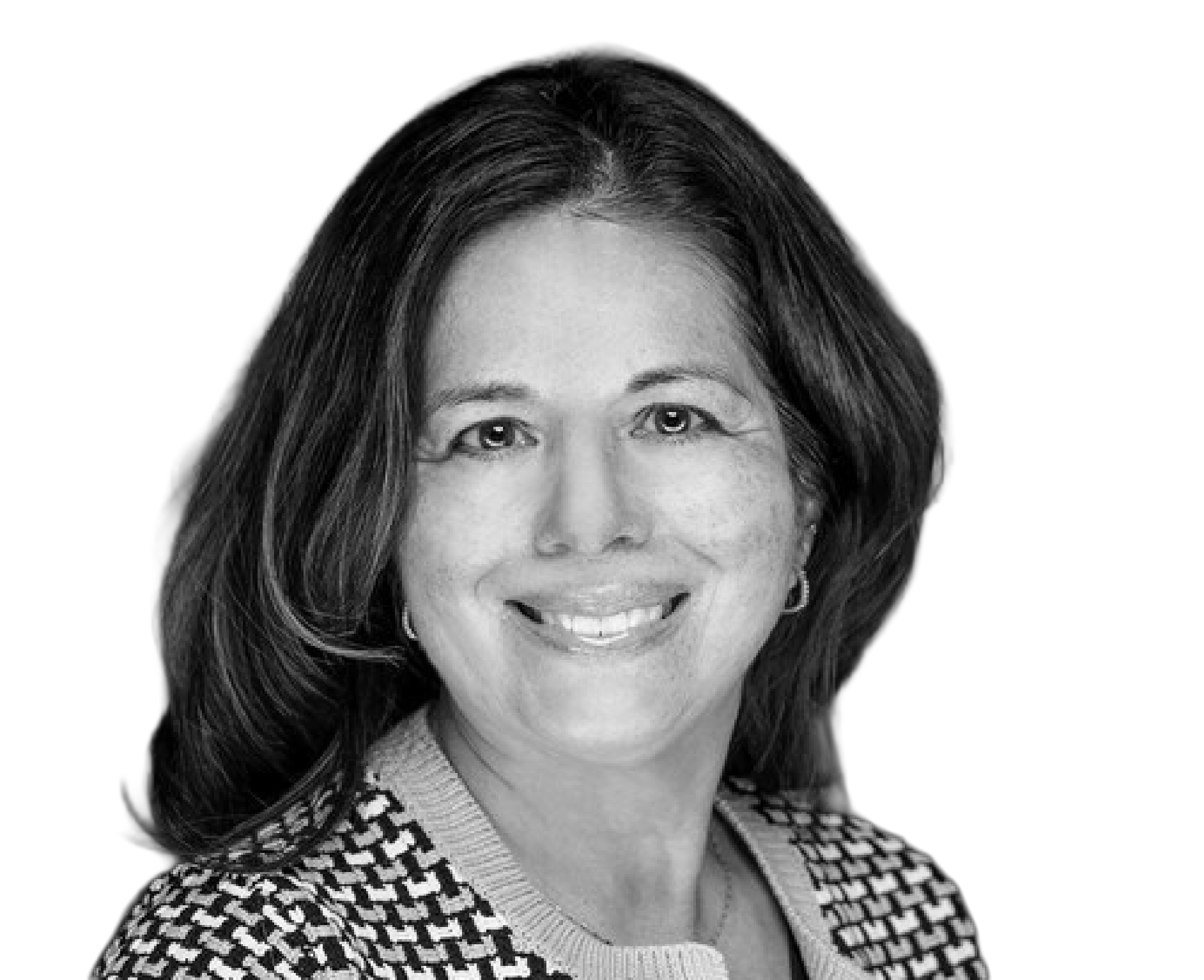
Katherine Stultz
President & CEO, Co-Founder, Board Member

With over 25 years of experience in life sciences, Katherine is a recognized leader in transitioning scientific innovations from the laboratory to global commercial markets. Before joining BrainXell Therapeutics Global, Katherine served as President and CEO of Ocelot Bio and Chief Operating Officer of Graphite Bio, where she built a track record of organizational building and scaling including several successful capital raises and an IPO. Katherine spent 15 years in senior leadership roles at Celgene Corporation, where she last served as Corporate VP of Global Project and Portfolio Management and as General Manager of Spain & Portugal following several distinguished successes in commercialization and clinical development advancing technologies into the clinic and multiple sNDAs. Her earlier career was at Eli Lilly and Convatec, a former division of Bristol-Myers Squibb. Katherine has served on numerous private and public life science boards, and she is currently serving as the Board Chair of 4DPath.

Read Bio →
Clement Song
Board Member

Clement is an entrepreneur, investor, and technology operator with extensive experience building and scaling companies across AI, consumer technology, robotics, and neuroscience. He currently serves as Founder and CEO of ROMOYA, Director of EIR at the University of Tokyo IRCN, and Board Member of BrainXell.Over the course of his career, he has founded multiple venture-backed companies, contributed to major technology platforms, and supported the growth of emerging science-driven businesses through investing, advising, and board leadership.

Read Bio →
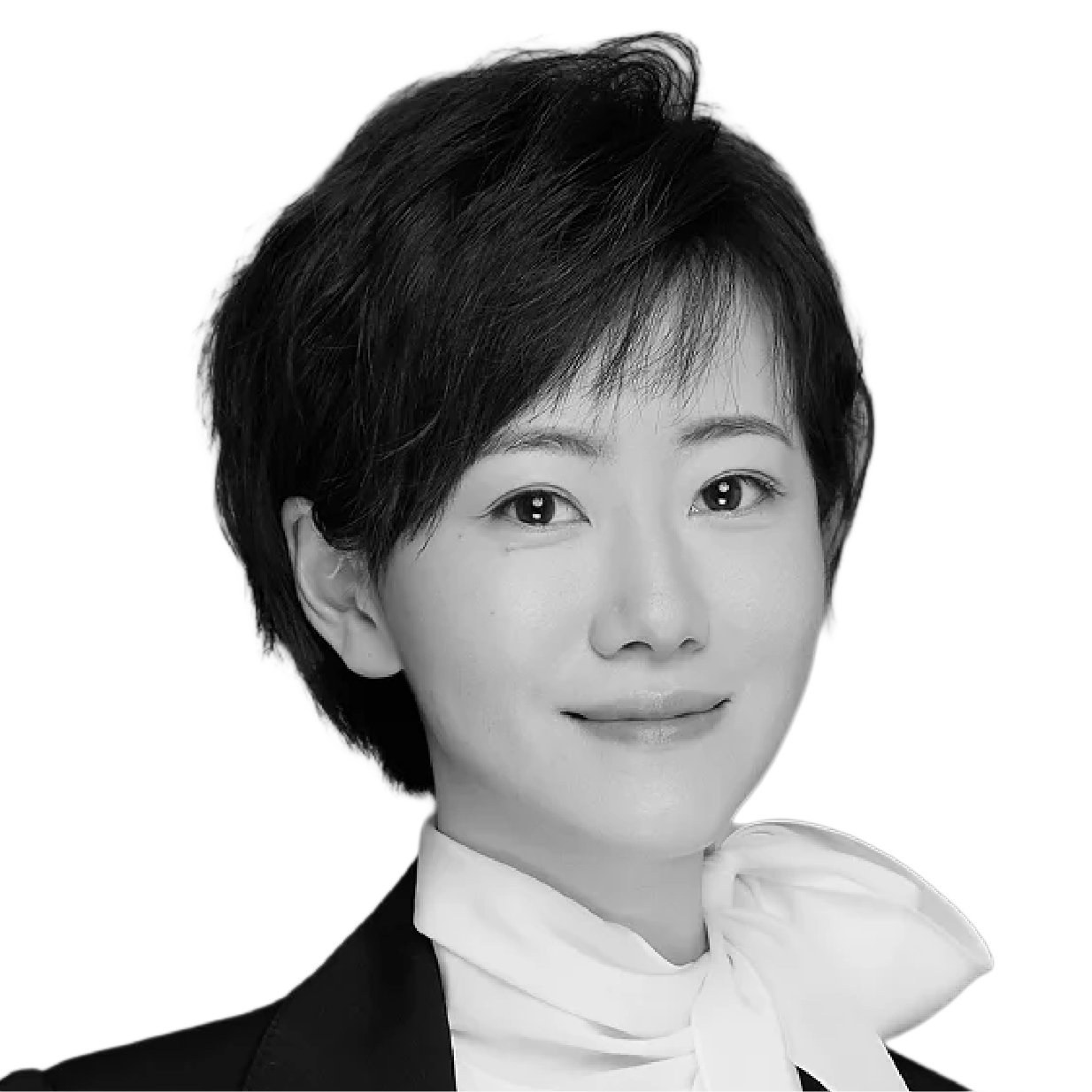
Selina Shen
Board Member

As the co-founder and director of Skyline Galaxy Capital, Selina is an early-stage VC investor with a track record of backing scientifically rigorous biotech with significant market potential across Singapore, China and the US. Driven by a mission to address unmet medical needs, she holds a special interest in innovative treatments for infectious diseases and stem cell-based regenerative medicine. From initial establishment to subsequent financing and international expansion, Selina played an active role in a company's lifecycle and was involved in the key milestones from animal models to clinical trials. Several of her portfolio companies have scaled from stealth startups into mature biotech players with wide recognition across Singapore and China.

Disease focus

We’re moving on Parkinson’s disease

PD is the second most common neurodegenerative disorder, with a U.S. patient population expected to exceed 1.2 million by 2030. Current treatments only address PD symptoms; there are no FDA-approved disease-modifying therapies that halt or slow the progression of PD.

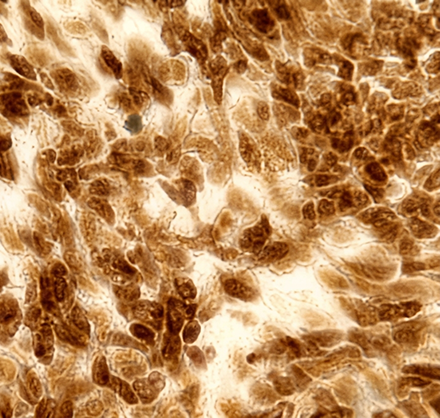
The motor and other symptoms of PD are caused by the progressive loss of midbrain dopaminergic (dopamine-producing) neurons. Cell therapies designed to replace these lost neurons with new ones could change the course of the disease.
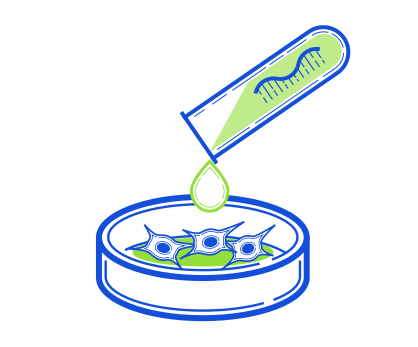
science & technology

Translating a Decade of Innovation
Into Practical Therapies

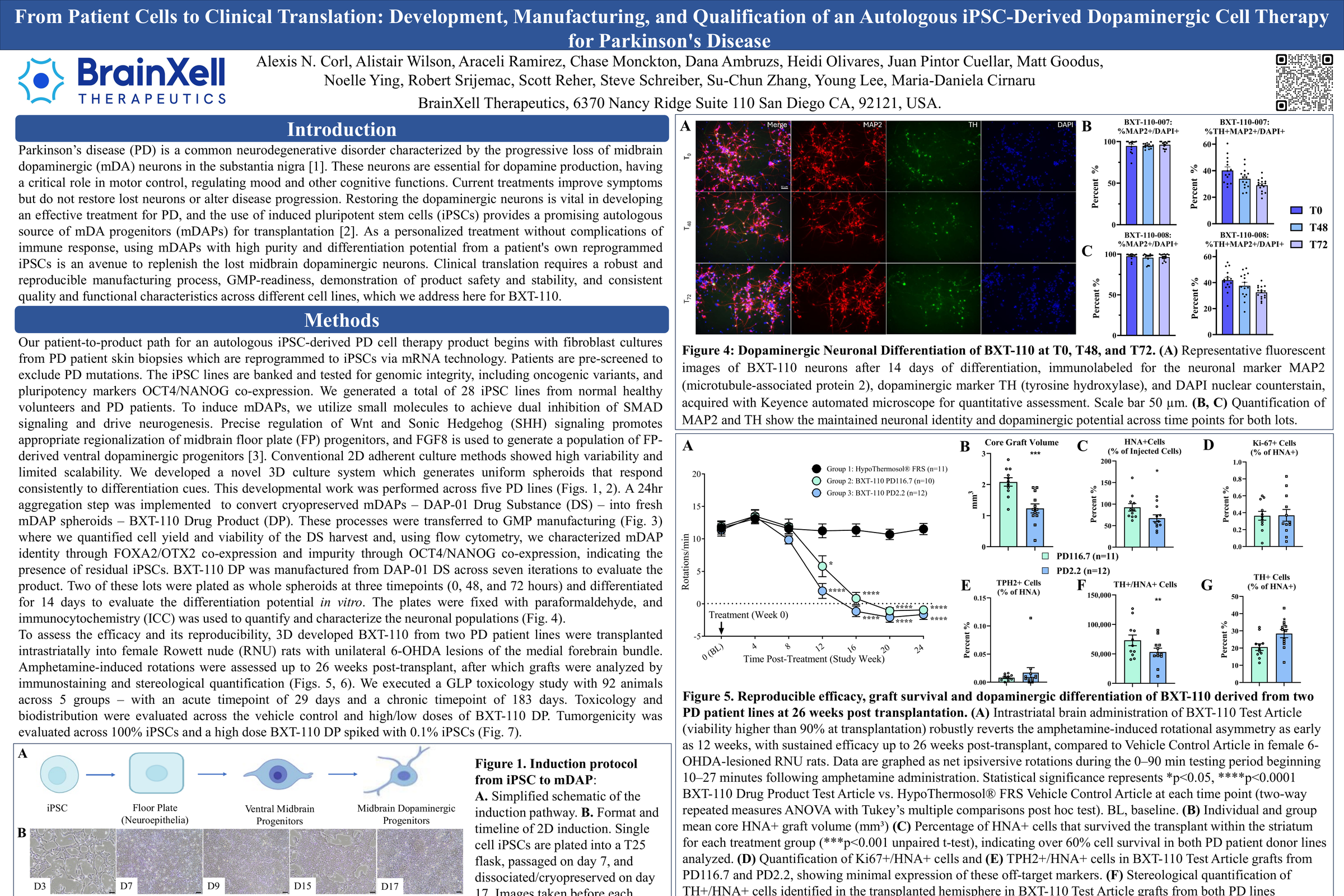
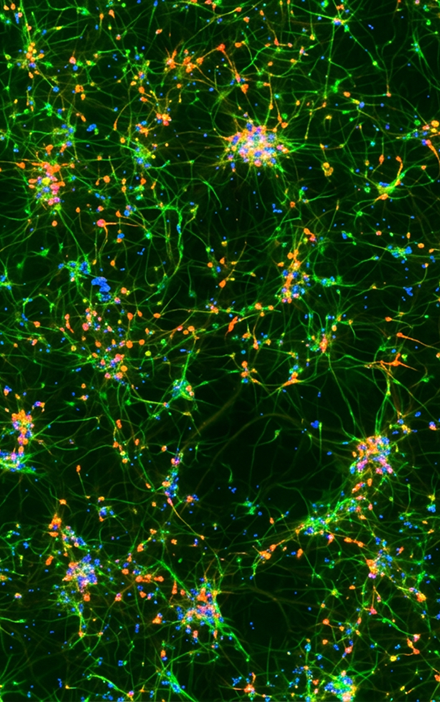
Our unique and proprietary method for generating BXT-110 from iPSC-derived cells yields a cell therapy of the highest possible quality. Our science has shown us the right approach for producing an efficacious therapy that could offer PD patients the greatest benefit and unmatched disease-modifying potential.

01

Collecting the patient’s skin cells (fibroblasts)

A small sample of the patient's skin tissue, about the size of a pencil eraser, is collected during a minor biopsy, typically from the upper arm.

Fibroblasts are isolated from the sample and banked until ready for reprogramming.

02

Reprogramming with mRNA

We use mRNA – not viral vectors or plasmid DNA – to reprogram the patient’s fibroblasts into iPSCs.

mRNA is an advanced and safe way to reprogram cells, because it leaves no residual DNA behind and doesn’t integrate into the cell’s genome.

03

Unique spheroid formulation for delivery

We culture the progenitor cells in 3D suspension to produce spheroids (compact aggregates of cells).

Just as humans need good friends for good mental health, spheroids give progenitors the “friendly” cell-to-cell interactions they need to survive. Our formulation process consistently gives us high viability of cells for transplant.

04

Transplanting the spheroids to the patient’s brain

Our spheroids are never frozen; we deliver them fresh for transplant to the patient. We don’t lose cells to freeze/thaw.

With greater viability, more cells can become dopaminergic neurons, and with faster engraftment than single-cell formulations. Our progenitor cells could be the best for rebuilding the neuronal networks lost to PD – giving patients the disease-modifying therapy they need to reclaim their lives.

science & technology

Translating a Decade of Innovation
Into Practical Therapies

Our unique and proprietary method for generating BXT-110 from iPSC-derived cells yields a cell therapy of the highest possible quality. Our science has shown us the right approach for producing an efficacious therapy that could offer PD patients the greatest benefit and unmatched disease-modifying potential.

01

Collecting the patient’s skin cells (fibroblasts)

A small sample of the patient's skin tissue, about the size of a pencil eraser, is collected during a minor biopsy, typically from the upper arm.

Fibroblasts are isolated from the sample and banked until ready for reprogramming.

02

Reprogramming with mRNA

We use mRNA – not viral vectors or plasmid DNA – to reprogram the patient’s fibroblasts into iPSCs.

mRNA is an advanced and safe way to reprogram cells, because it leaves no residual DNA behind and doesn’t integrate into the cell’s genome.

03

Unique spheroid formulation for delivery

We culture the progenitor cells in 3D suspension to produce spheroids (compact aggregates of cells).

Just as humans need good friends for good mental health, spheroids give progenitors the “friendly” cell-to-cell interactions they need to survive. Our formulation process consistently gives us high viability of cells for transplant.

04

Transplanting the spheroids to the patient’s brain

Our spheroids are never frozen; we deliver them fresh for transplant to the patient. We don’t lose cells to freeze/thaw.

With greater viability, more cells can become dopaminergic neurons, and with faster engraftment than single-cell formulations. Our progenitor cells could be the best for rebuilding the neuronal networks lost to PD – giving patients the disease-modifying therapy they need to reclaim their lives.

Our Data

pipeline

BXT-110:
Disease-modifying potential

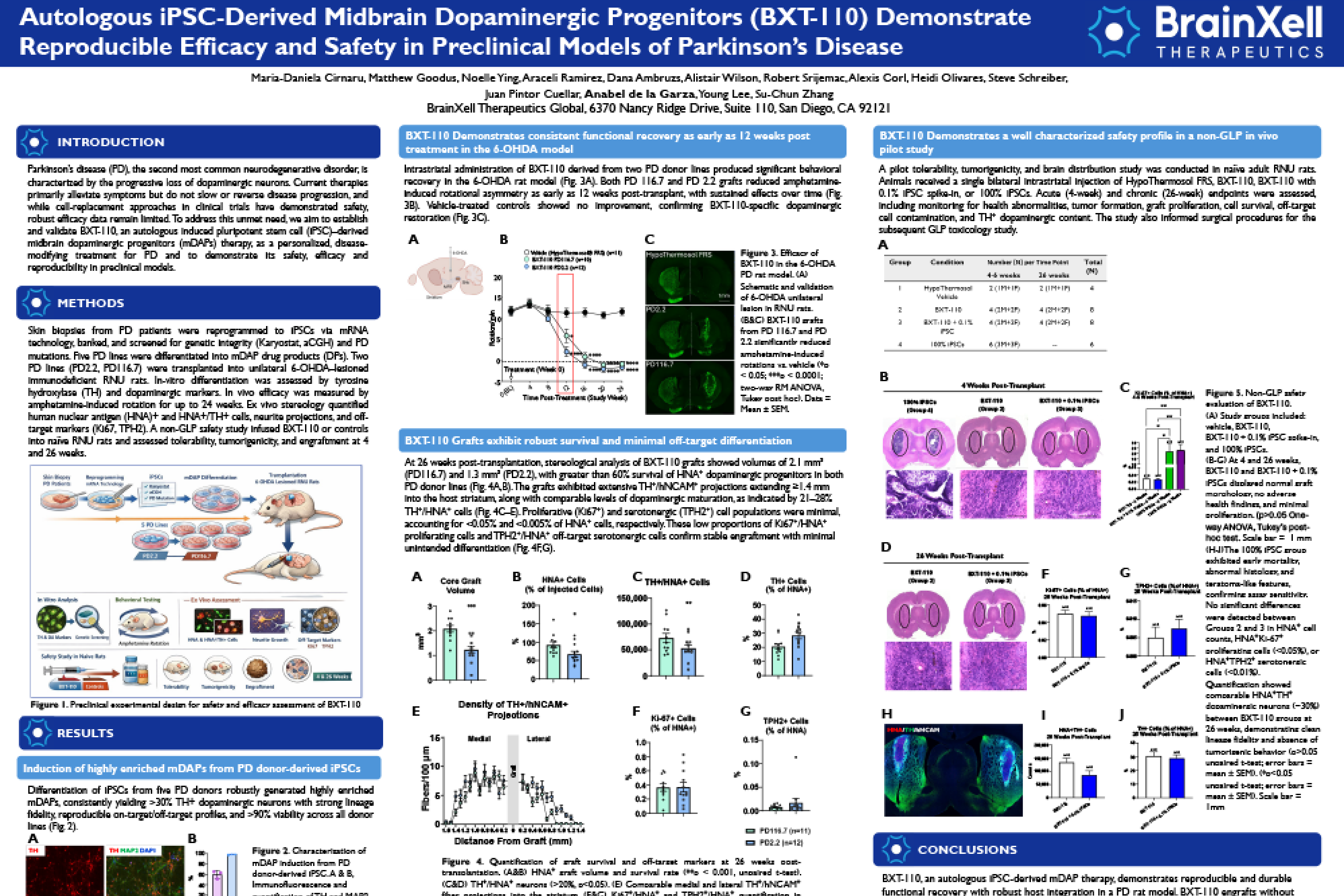
BXT-110 is an autologous, iPSC-derived midbrain dopaminergic progenitor (mDAP) cell therapy that BrainXell Therapeutics is developing for moderate-to-severe PD.

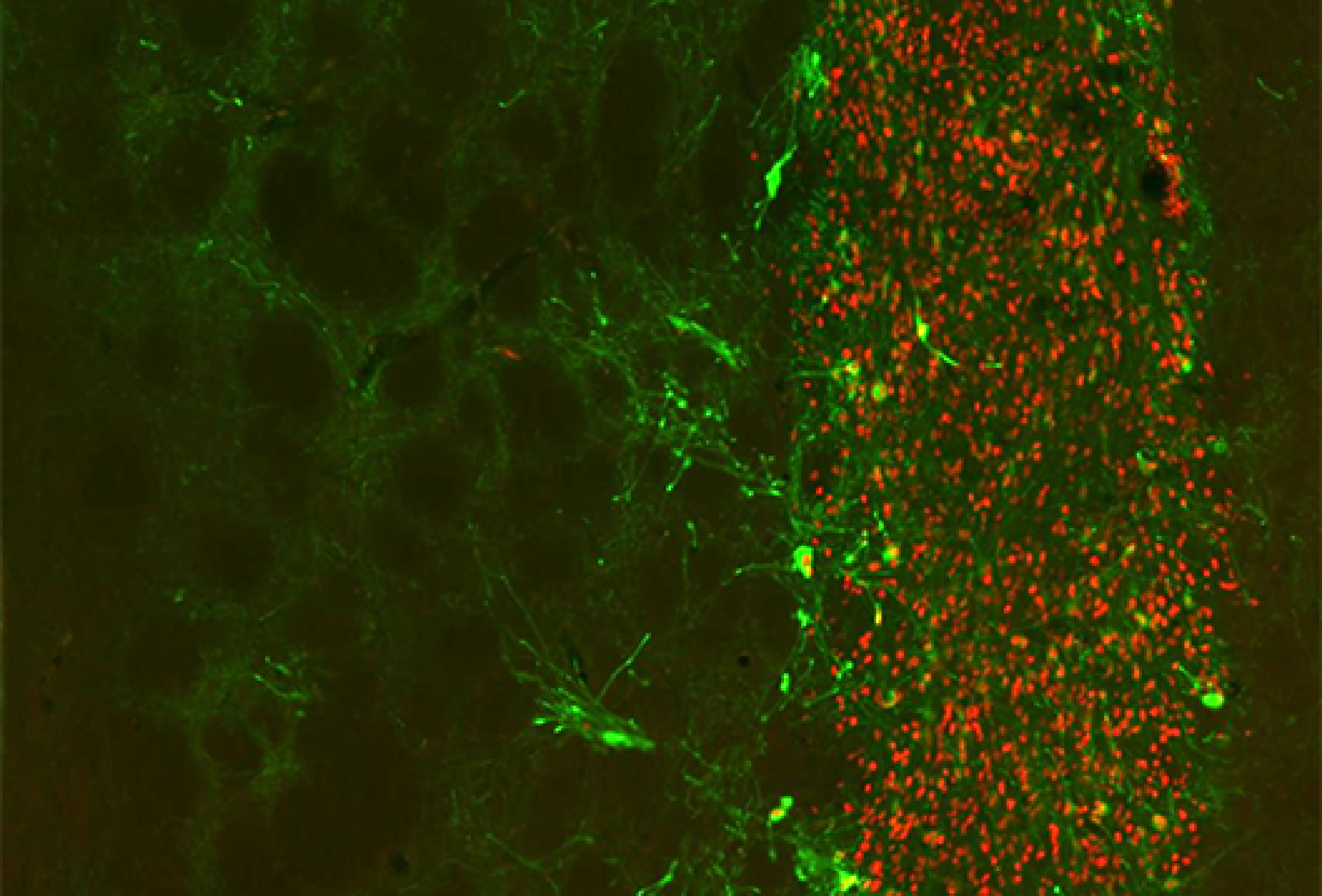
BXT-110 is produced by reprogramming a patient’s skin cells into mDAP cells. These cells are then transplanted into the patient’s brain, where we expect them to develop into new, functional dopaminergic neurons.

BrainXell Therapeutics is also developing iPSC-derived spinal interneuron progenitors to treat subacute and chronic spinal cord injury (SCI).

← Swipe to explore pipeline →
Program
Description
Potential
Indications
Discovery
Lead
Optimization
IND
enabling
Phase 1
Phase 2
Phase 3
Rights
BXT-110
Autologous
iPSC cell
therapy
Parkinson’s
disease (PD)
🌎
Program 2
Autologous
iPSC cell
therapy
Spinal Cord
Injury (SCI)
🌎
Program 3
Neuro Injury
Stroke
🌎
Program 4
Auto IPSC Cell Therapy
PD
🌎

News

Contact us

Support our mission to develop personalized regenerative cell therapies to restore function to those living with nervous system disorders.

Thank you!
Thanks for reaching out! This is just a quick note to let you know that we’ve received your inquiry.
Oops! Something went wrong while submitting the form.